




The Architecture of Play

Built to grow
as they do.

Start with one complete structure and let the garden estate evolve over time. Bridges, towers, dens, and new rooms are added when the family is ready, so the playcentre you’ve invested in grows rather than being replaced.

The modular proposition,
explained simply.

This is not a loose collection of attachments. It is a considered extension language for the garden: begin with a finished structure, add new destinations as family life changes, and let the overall estate become more complex over time.

01

Begin with a complete house

Every modular journey starts with a resolved structure rather than a temporary frame. The first investment still feels whole on day one.

02

Connect new destinations over time

Bridges, towers, dens, and secondary rooms are added when the family is ready for them, not before.

03

Grow the estate without replacing it

The system is designed so earlier pieces remain part of the final composition, protecting both the brief and the investment.

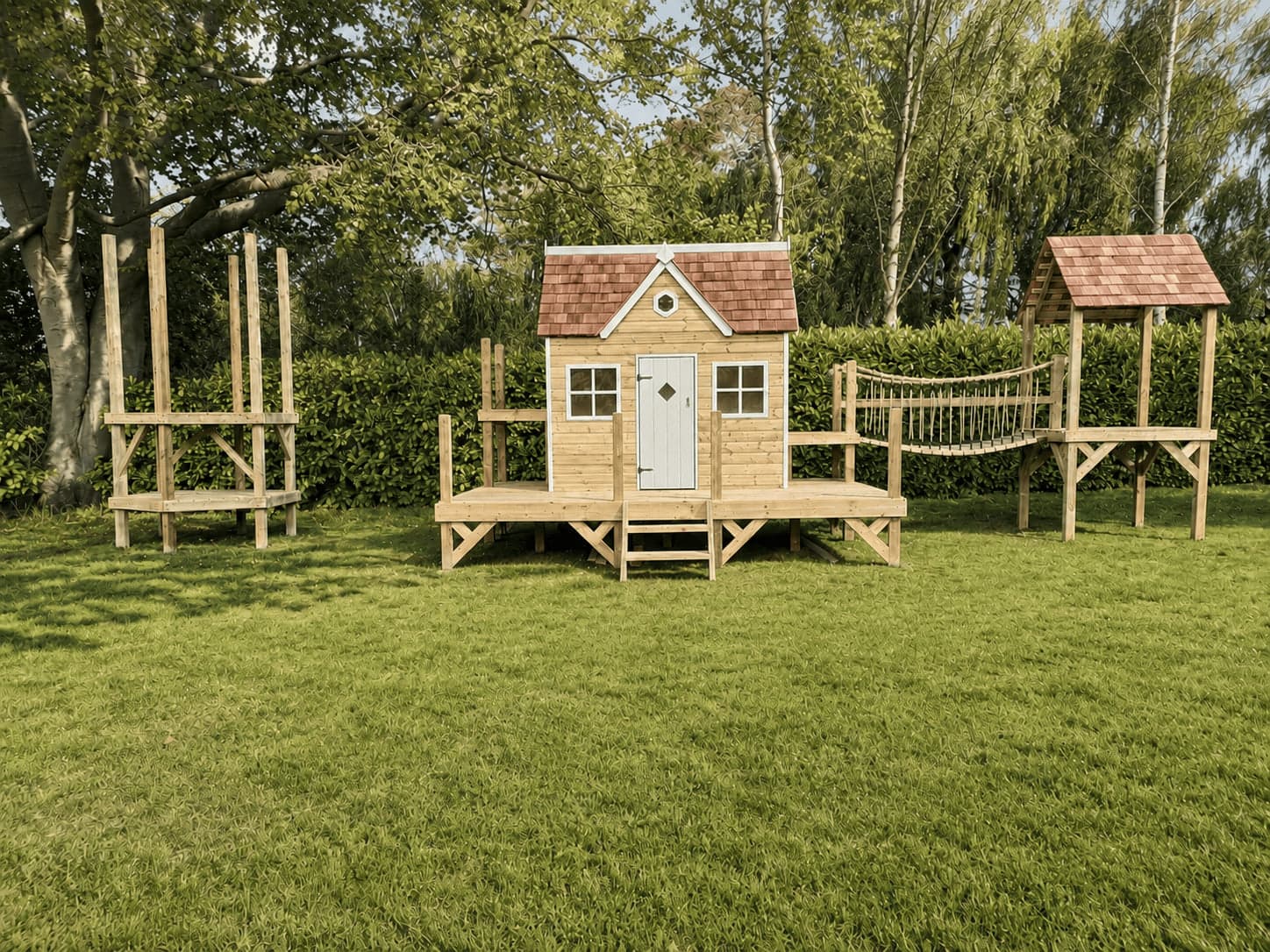
A playhouse and rope bridge stand complete while the next tower waits as a bare timber frame beside them
An estate mid-extension. The bare frame is the next chapter arriving, not a rebuild.

Modules explained as roles,
not as a parts list.

Each addition has a job to do in the wider composition: connect, elevate, or expand the experience. The system is best understood as architecture in stages rather than a catalogue of components.

Connect

A line through the garden

Connectors create anticipation and movement. They turn one resolved structure into the opening chapter of a larger play landscape.

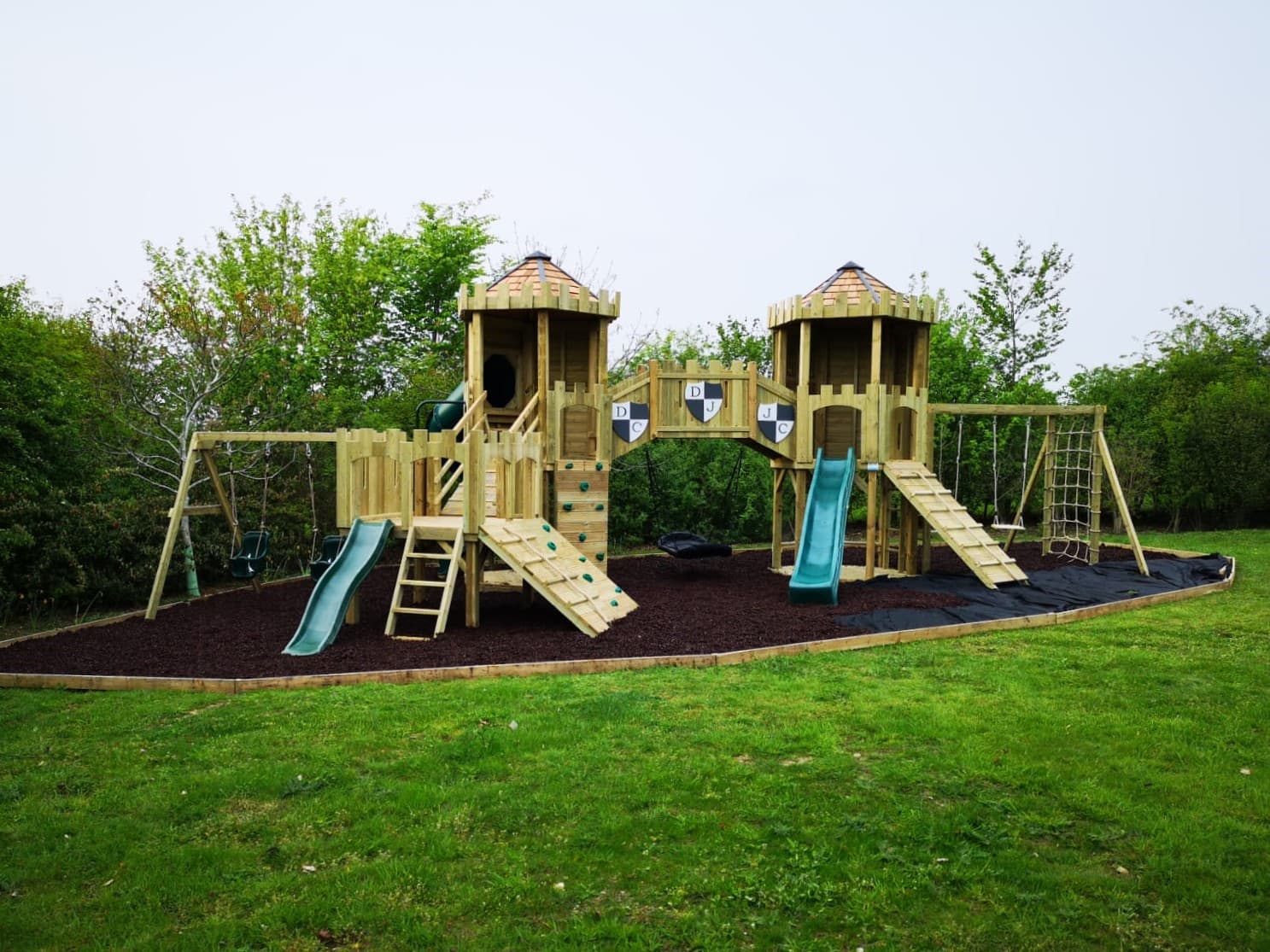
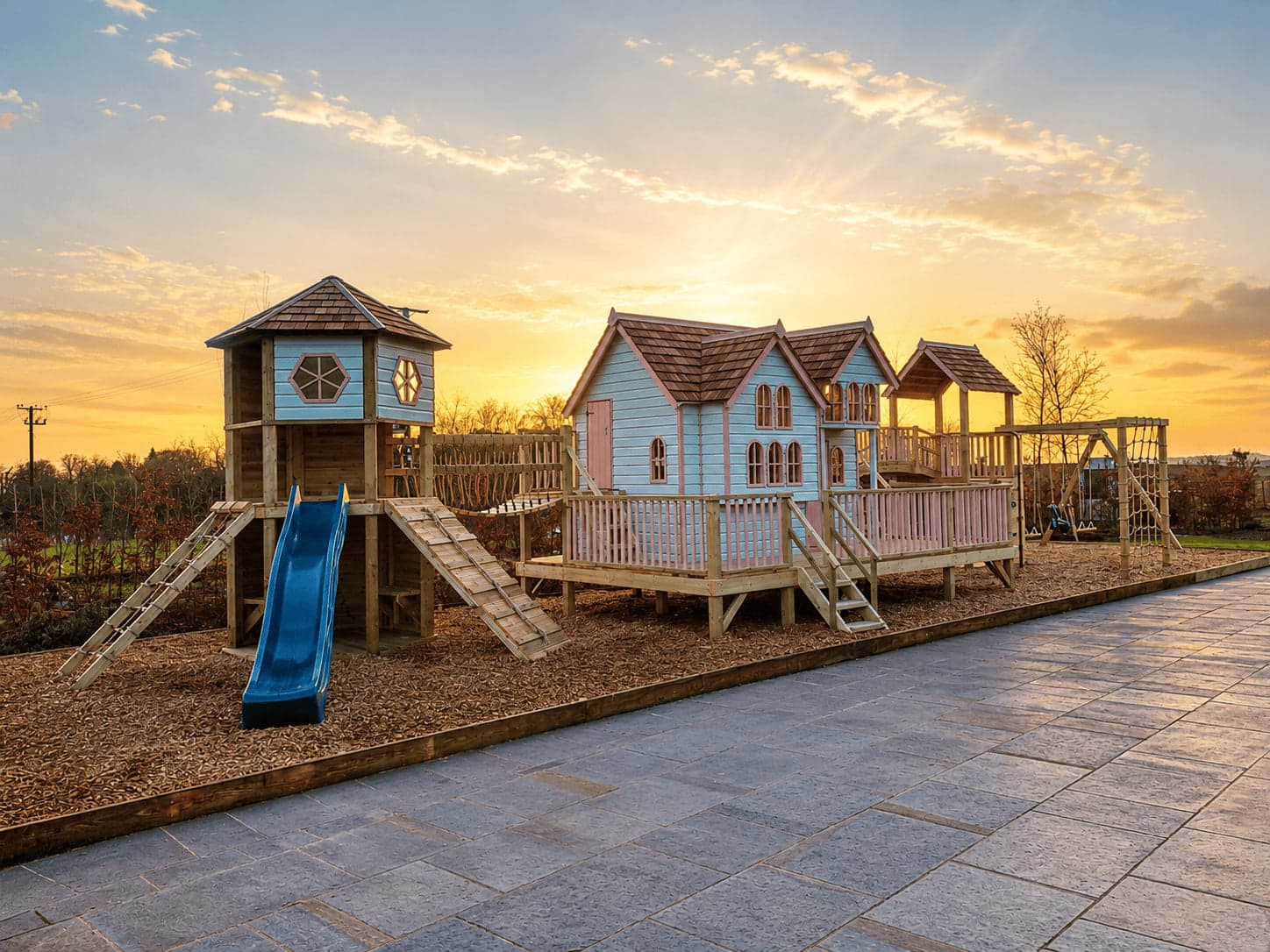
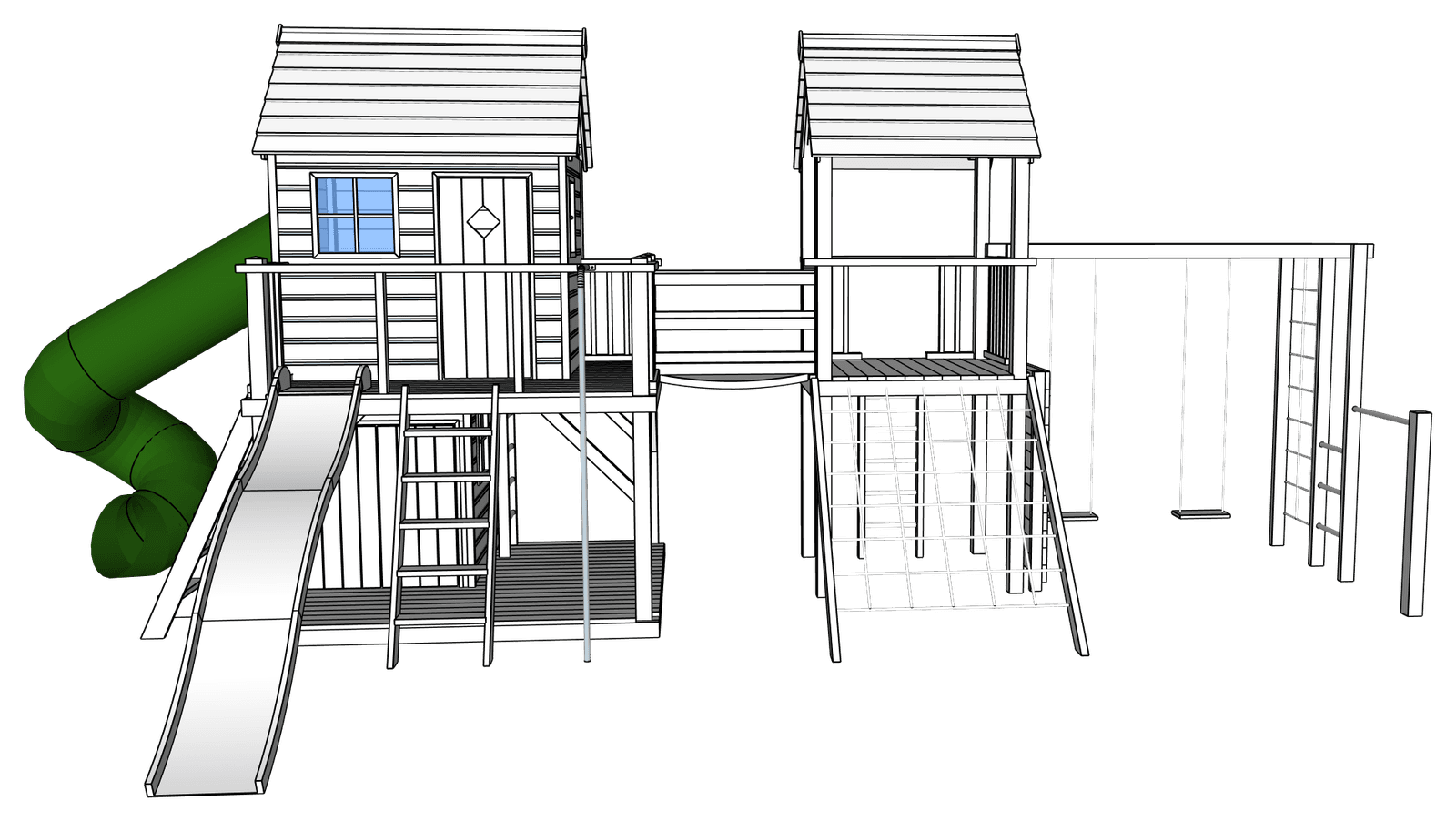
A first tower connected to a second lookout by a clatter bridge, drawing the route through the planting rather than stopping in one place.

Best when the first structure is already loved and the family wants a longer play journey.

How one structure becomes
a garden estate.

The modular story is strongest when it is seen as a sequence. The family does not need to predict the final composition on day one; the estate can gather scale and complexity over the years.

Stage 01 of 04

A first chapter

A single structure, complete in itself.

01

A first chapter

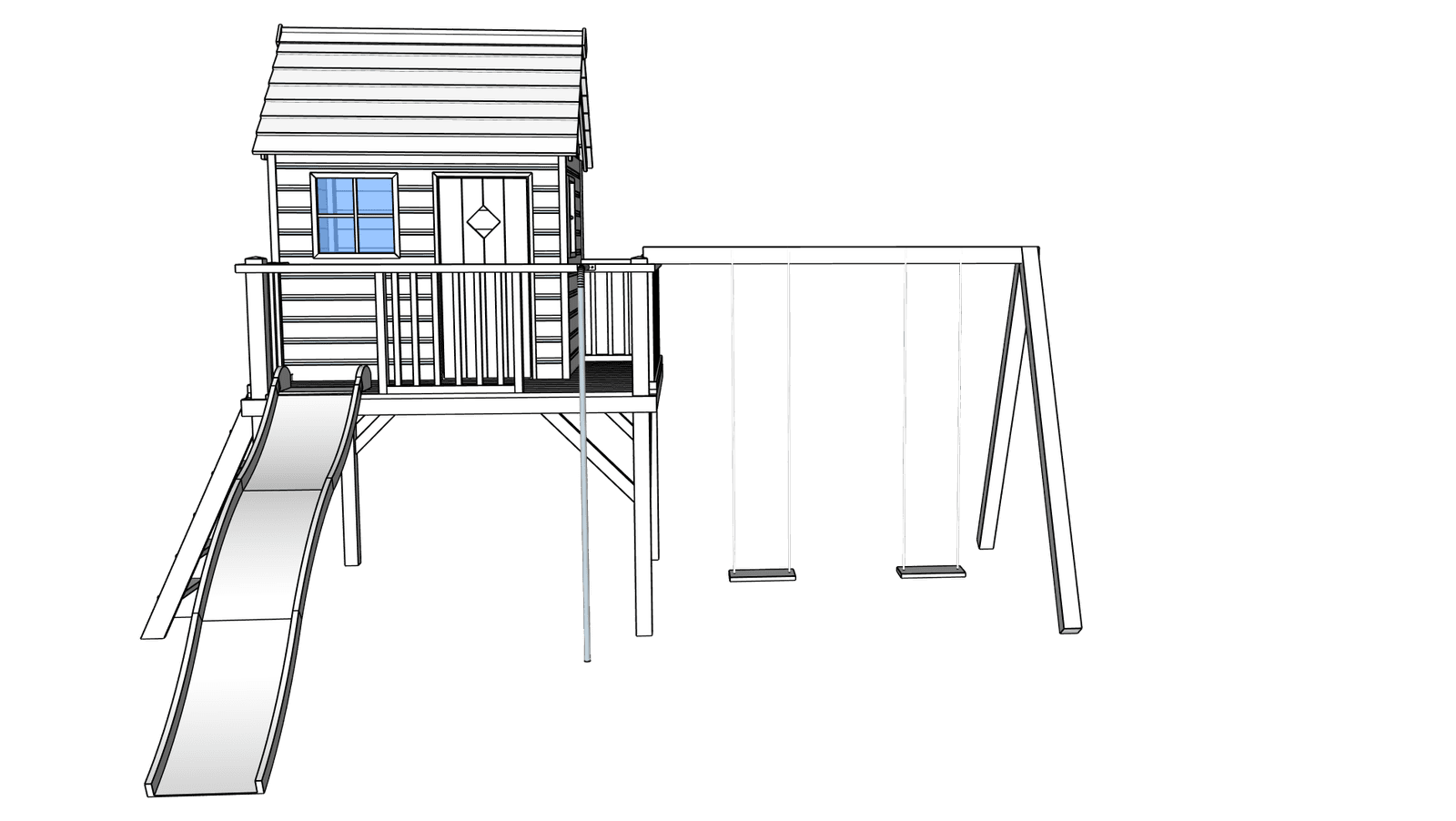
The first structure arrives as a complete piece of garden architecture: settled, beautifully finished, and proportionate to the landscape from day one.

What is added

One complete tower or house, resolved enough to stand alone.

Why families add it

It gives the family a confident beginning without demanding a full estate immediately.

Why the first investment still holds

Nothing here is temporary. The opening structure remains the anchor of every later chapter.

02

Rooms within the landscape

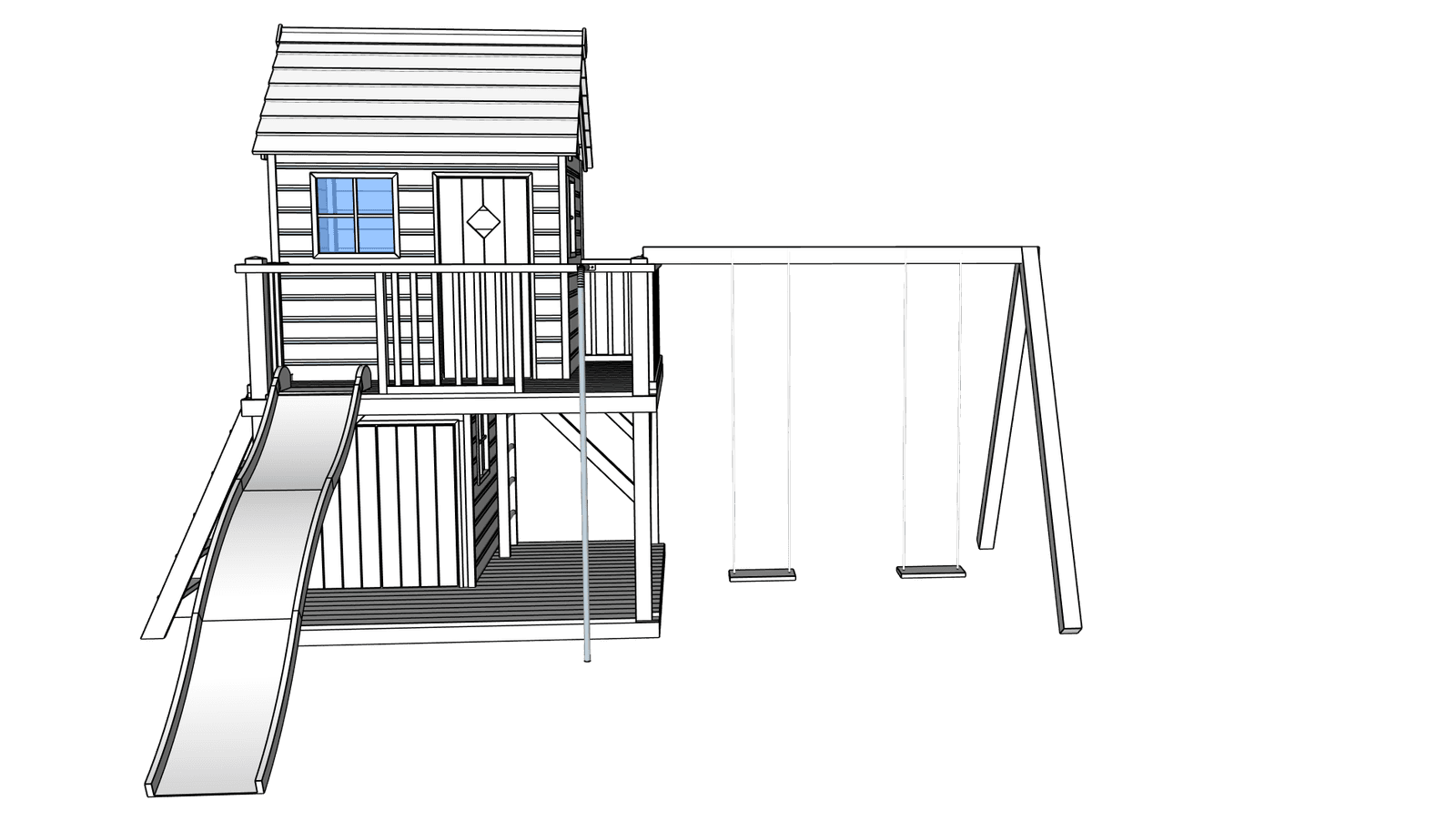
Additional dens and side spaces deepen the estate rather than simply enlarging it. The garden gains hidden corners, quieter rooms, and layered ways to play.

What is added

A den, side room, or sheltered secondary space that changes the atmosphere of the estate.

Why families add it

This stage suits families who want more variety, more age-range flexibility, or a stronger sense of discovery within the structure.

Why the first investment still holds

The earlier structure still defines the estate; the newer rooms simply make that original investment richer.

03

A second destination

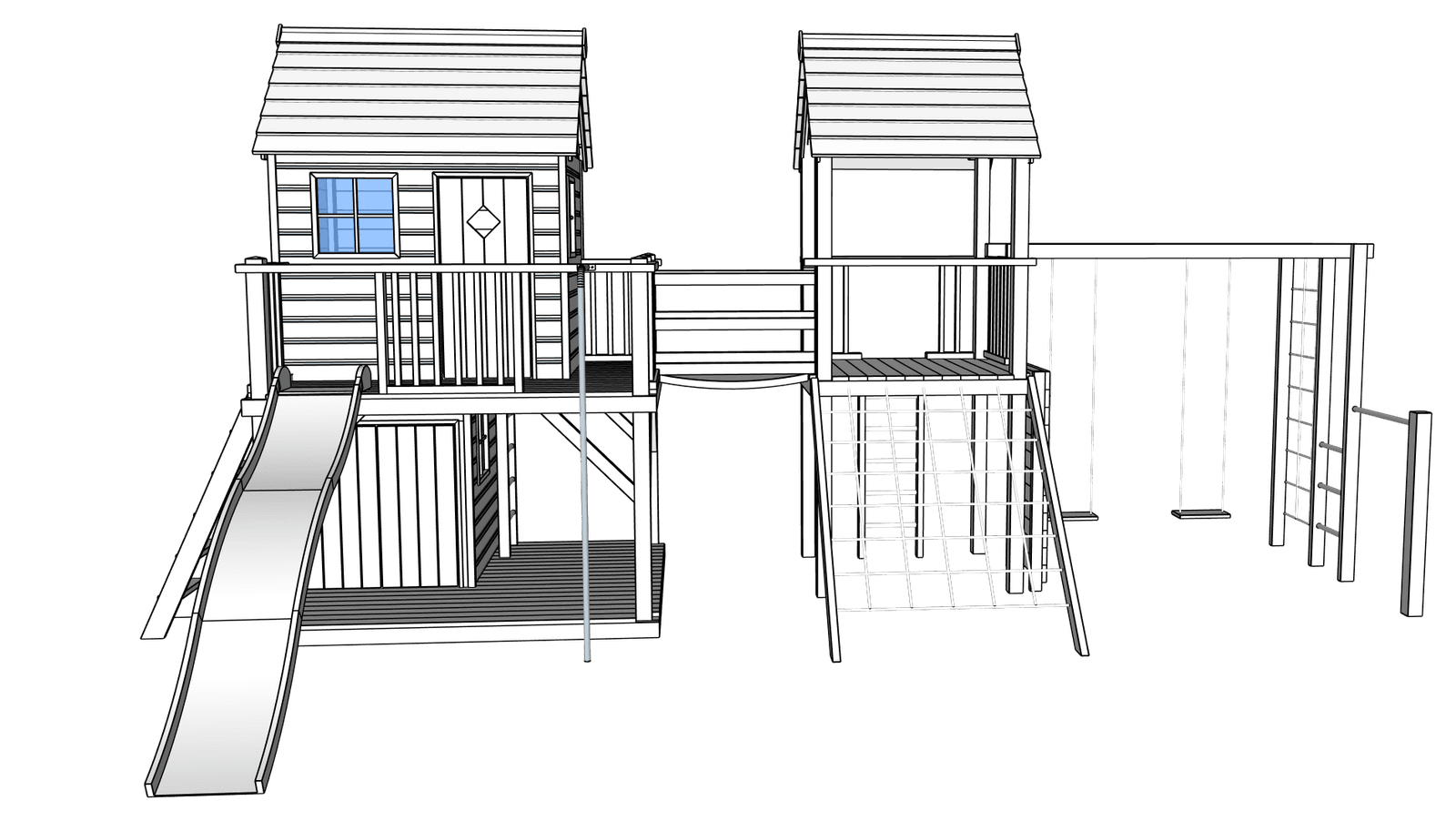
A bridge or linking run turns the original structure into the start of a route. The experience changes from a single destination into a journey through the garden.

What is added

A bridge, raised run, or linked destination that pulls the estate outward.

Why families add it

Families add this when the first structure is already loved and they want more movement, more anticipation, and more narrative in the play.

Why the first investment still holds

The original house does not become obsolete; it becomes the opening moment in a longer sequence.

04

A mature garden estate

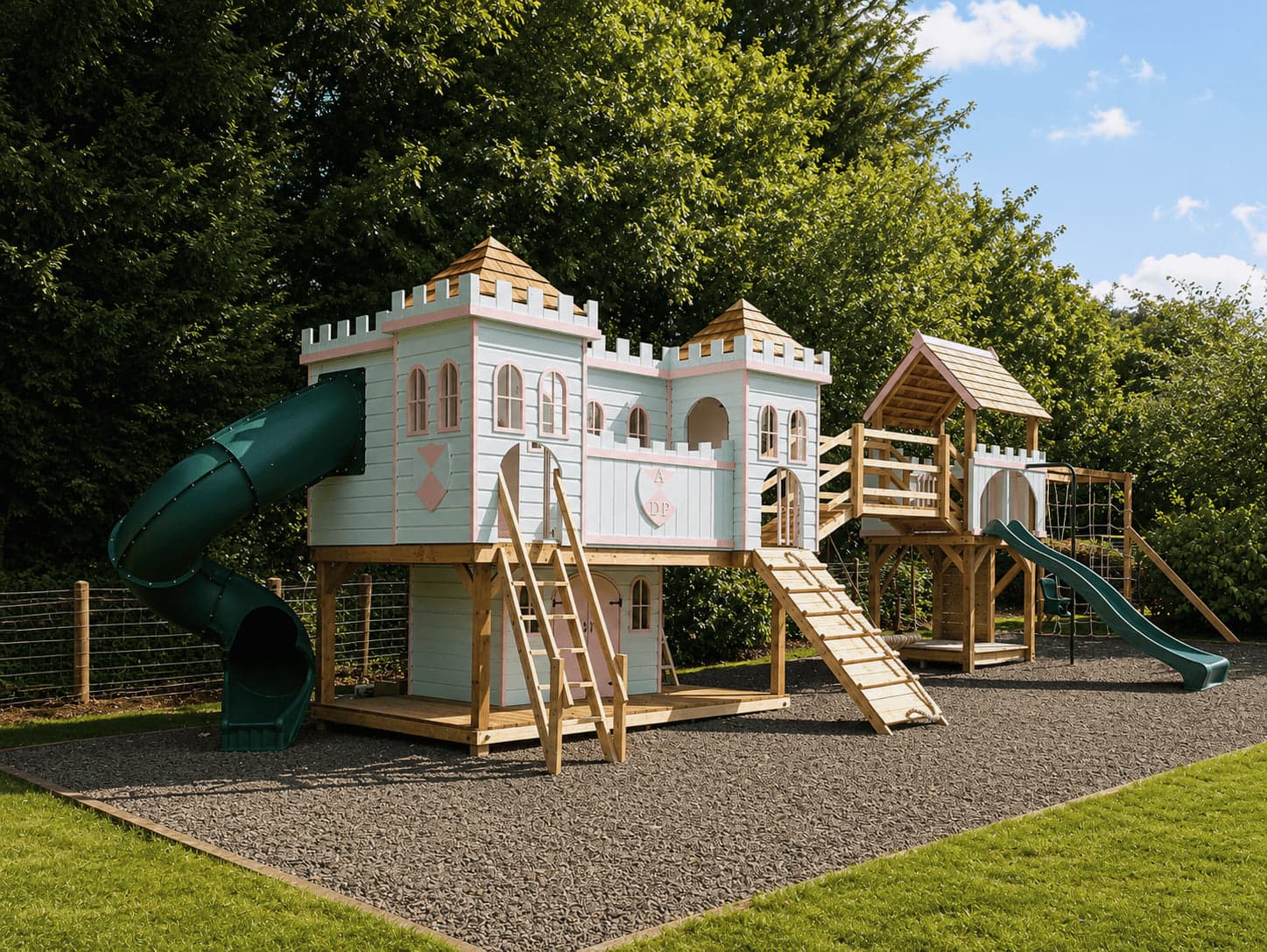
A further tower or elevated route gives the final composition real presence. The result reads as one considered estate rather than a collection of additions.

What is added

A final elevated element or major destination that completes the larger silhouette.

Why families add it

This is the stage where the structure matures with the family and the garden can support a more ambitious presence.

Why the first investment still holds

The final estate still depends on the quality of the first chapter, which is why modular growth protects the original investment instead of replacing it.